Lovely Buddy: A Practical Guide to Using Bold, Bubbly Display Typography
In the crowded landscape of digital design, typography often serves as the primary vehicle for brand personality. While minimalist sans-serifs dominate corporate communications, there remains a significant and lucrative market for typefaces that convey warmth, approachability, and playful energy. Lovely Buddy emerges as a notable contender in this space, offering a distinct aesthetic that bridges the gap between soft graffiti influences and structured bubble lettering. For designers, marketers, and content creators seeking to inject a specific groovy, rounded character into their projects, understanding the nuances of this font is essential for effective implementation.
Deconstructing the Aesthetic of Lovely Buddy
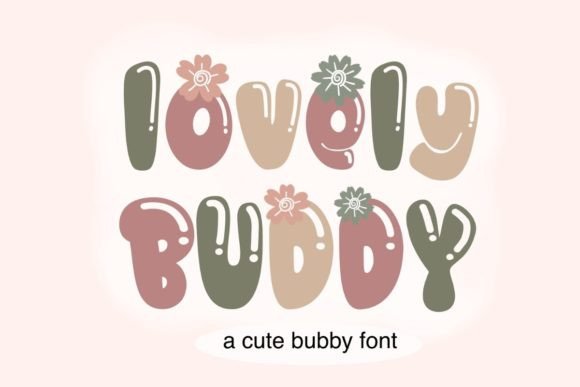
At its core, Lovely Buddy is a display font. This classification is crucial because it dictates how the typeface should be used. Unlike body text fonts designed for long-form readability, display fonts are engineered for impact at larger sizes. The design philosophy behind Lovely Buddy draws heavily from the charm of soft graffiti and bold bubble designs. However, it refines these raw street-art elements into a cleaner, more commercially viable product.
The visual weight of the font is substantial. The letters are thick and rounded, creating a sense of solidity without appearing aggressive. This "bubbly" quality is achieved through consistent curvature and generous spacing, which prevents the characters from feeling cramped despite their boldness. The inspiration from graffiti is evident in the organic flow of the strokes, yet the execution is polished enough to maintain legibility across various media. This balance makes it a versatile tool for professionals who need to communicate friendliness without sacrificing professional standards.
Key Characteristics and Design Strengths
When evaluating any typographic asset, several technical and aesthetic factors determine its long-term value. Lovely Buddy excels in several areas that make it a reliable choice for creative workflows:
- Bold Visual Presence: The heavy weight ensures that headlines and short phrases stand out immediately, making it ideal for capturing attention in fast-scrolling digital environments.
- Rounded Geometry: The absence of sharp edges contributes to a perception of safety and approachability, which is psychologically appealing in marketing contexts targeting families or younger demographics.
- Consistent Stroke Width: Uniformity in the letterforms enhances readability and provides a cohesive look, reducing the visual noise that can occur with more erratic handwritten styles.
- Versatile Personality: While inherently cute, the font’s structure allows it to be adapted for various tones, from retro-groovy to modern-playful, depending on color and layout choices.
These characteristics are not merely decorative; they serve functional purposes in communication design. The rounded forms reduce cognitive load for the viewer, allowing the message to be processed quickly and positively. This is particularly valuable in advertising and social media graphics, where users spend only seconds engaging with content.
Practical Applications and Real-World Use Cases
The utility of Lovely Buddy extends beyond simple aesthetic preference. Its specific design traits make it suitable for a range of professional applications. Understanding where this font performs best can help creators maximize its potential while avoiding misuse.
Branding and Identity for Youth-Oriented Markets
For businesses targeting children, teenagers, or young adults, brand identity must resonate with energy and fun. Lovely Buddy works exceptionally well for logos, packaging, and brand marks in industries such as confectionery, toys, educational apps, and casual dining. The font’s inherent charm helps establish an emotional connection with the audience, signaling that the brand is friendly and accessible.
Digital Marketing and Social Media Graphics
In the realm of social media, visual hierarchy is critical. Marketers and content creators can use Lovely Buddy for headline text on Instagram posts, Pinterest pins, and YouTube thumbnails. Its bold nature ensures that key messages remain legible even on small mobile screens. When paired with vibrant colors or simple illustrations, the font enhances the overall engagement rate by making the content visually inviting.
Educational Materials and E-Learning
Educators and publishers developing materials for early childhood education or language learning can benefit from the clarity and appeal of this typeface. The distinct letter shapes help learners recognize characters easily, while the playful design keeps students engaged. It is particularly effective for worksheets, presentation slides, and interactive digital lessons where maintaining student interest is a priority.
Packaging and Product Labels
On physical products, typography plays a pivotal role in shelf appeal. Lovely Buddy’s bold structure holds up well in print, making it a strong candidate for product names on labels for juices, snacks, or beauty products aimed at a younger demographic. The rounded edges complement curved packaging designs, creating a harmonious visual experience.
Usability and Integration in Design Workflows
From a technical standpoint, integrating Lovely Buddy into existing design workflows is straightforward. As a display font, it is typically available in standard formats compatible with major design software such as Adobe Illustrator, Photoshop, and InDesign, as well as web-based tools like Canva. This accessibility ensures that freelancers and agency teams can collaborate seamlessly without compatibility issues.
However, effective use requires an understanding of typographic hierarchy. Because Lovely Buddy is bold and distinctive, it should not be used for body copy. Long paragraphs set in this font would be difficult to read and could cause viewer fatigue. Instead, it should be reserved for headings, subheadings, pull quotes, and short call-to-action buttons. Pairing it with a clean, neutral sans-serif font for body text creates a balanced composition that leverages the strengths of both typefaces.
Color selection also plays a significant role in how Lovely Buddy is perceived. While it works well in black and white, its true potential is unlocked when used with bright, saturated colors or pastel palettes. Designers should experiment with contrast to ensure the text remains legible against various backgrounds. Adding subtle effects like drop shadows or outlines can further enhance its three-dimensional, bubble-like appearance, though these should be used sparingly to maintain a modern look.
Limitations and Professional Considerations
While Lovely Buddy offers significant value, it is not a universal solution. Professional designers must recognize its limitations to avoid misapplication. The font’s playful nature may clash with brands that require a serious, authoritative, or luxurious image. Financial institutions, law firms, or high-end fashion brands would likely find this typeface incongruent with their brand values.
Additionally, overuse can diminish its impact. Because the font is highly stylized, using it for every element in a design can create visual chaos. Restraint is key. It should be treated as an accent rather than a foundation. Furthermore, designers should ensure that the font license permits the intended use, especially for commercial projects, to avoid legal complications.
Conclusion: Evaluating the Long-Term Value
In conclusion, Lovely Buddy represents a well-executed example of a niche display typeface. It successfully captures the essence of soft graffiti and bubble design while maintaining the professionalism required for commercial use. For creators, marketers, and business owners looking to add a touch of groovy, rounded personality to their projects, this font offers a reliable and effective solution.
Its value lies not just in its aesthetic appeal, but in its ability to communicate specific emotional cues—friendliness, energy, and approachability. When used appropriately within its designated scope, Lovely Buddy can elevate design projects, enhance brand recognition, and improve audience engagement. By understanding its strengths, limitations, and optimal applications, professionals can leverage this tool to create compelling visual narratives that resonate with their target audiences.